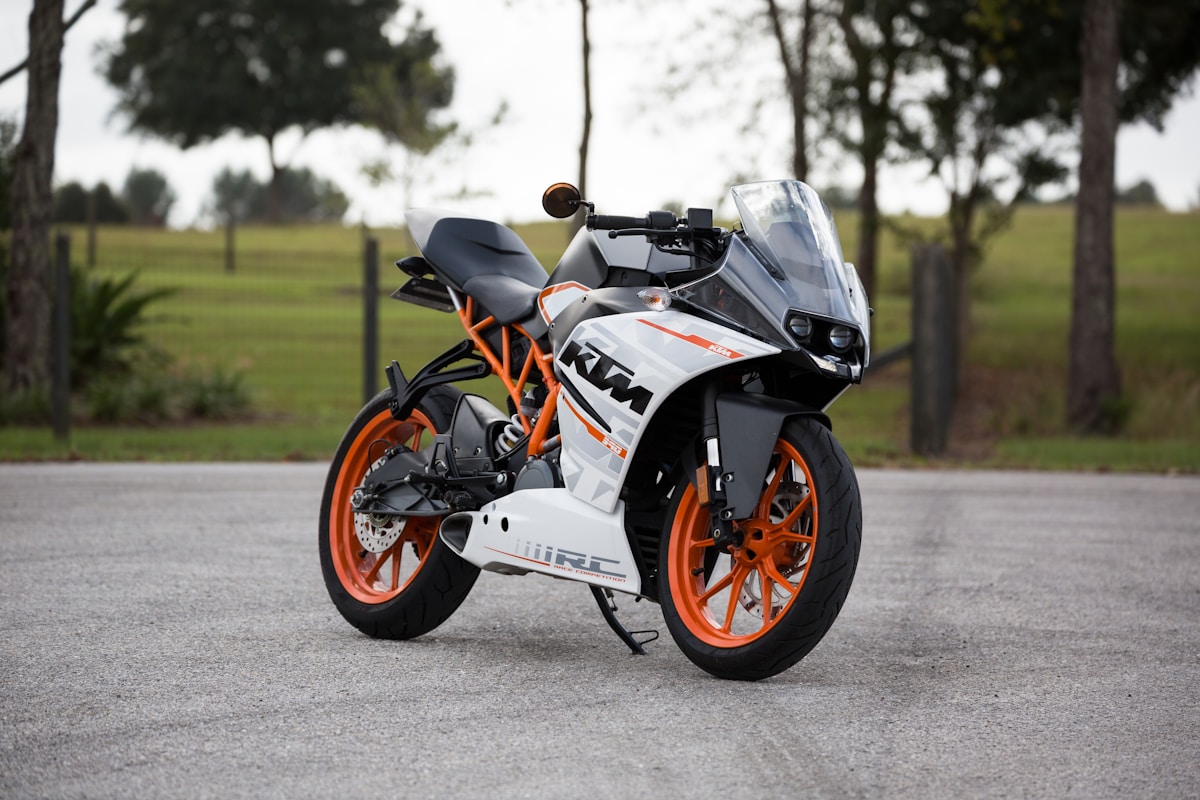
Two wheels are made for the South of France
There is no better way to experience the coast between Nice, Antibes and the hills of the Var than on two wheels. A scooter turns the daily crawl along the Basse Corniche into a pleasure, and a motorbike opens up the backroads of Provence that a car only fights with. Little wonder so many expats who settle here end up riding.
But before the first ride comes a piece of admin that catches many newcomers out: insurance. In France, insuring a motorised two-wheeler is a legal obligation, and the system does not care much about the fifteen spotless years you rode abroad — unless you can prove them, on paper, in the right form.
The no-claims trap that costs expats money
French insurance runs on a bonus-malus system: a coefficient that rewards claim-free years by steadily cutting your premium. A long-standing French rider pays a fraction of the base rate. A new arrival, in principle, starts from scratch.
In practice most insurers will honour your foreign riding history — but only if you produce a relevé d'information, or the equivalent statement from your previous insurer, translated where required, confirming your years insured and your claims record. Turn up without it and you pay full price, a difference that runs into hundreds of euros a year on anything more than a basic scooter.
The single most useful thing you can do is boringly simple: request that statement from your insurer before you leave your home country. Chasing it from abroad, months later, is far harder.
Third-party or comprehensive: matching cover to your ride
French policies broadly split into au tiers (third-party, the legal minimum) and tous risques (comprehensive). Third-party covers the damage you cause to others; comprehensive adds theft, fire and damage to your own machine. For a valuable motorbike, or one left on the street in a busy town, comprehensive usually earns its keep. For an old commuter scooter, third-party plus theft may be enough.
The detail matters more than the label: excesses, exclusions, whether your helmet and gear are covered, and how a claim is actually handled. This is exactly where a language barrier turns expensive — a clause misunderstood at signing becomes a nasty surprise at claim time.
Getting insured without the language barrier
You can walk into a French agency and muddle through, but many expats find it far smoother to use a broker who works in English and knows the newcomer's situation. A specialist explains the policy in your own language, makes your foreign history count, and compares offers rather than selling a single product.
For anyone weighing up options, it is worth reading up on motorbike insurance france aimed at English-speaking riders, where the cover types and the paperwork are set out plainly. Getting this right once, at the start, saves both money and the headache of discovering a gap in cover on the day you need it.
Ride the coast, but square the admin first
The Riviera rewards riders like nowhere else in France — the light, the corniches, the villages stacked above the sea. None of it is worth risking an uninsured ride. Sort the statement, choose your cover with eyes open, and get help in your own language if you need it. Do that, and the only thing left to plan is the route.